Thinking about a loft or condo in RiNo, but not sure where to start? You are not alone. Between the art scene, warehouse conversions, and new mid-rise buildings near the A Line, the choices can feel exciting and complex. In this guide, you will learn the tradeoffs, key rules, and smart steps to take before you make an offer. Let’s dive in.
Why RiNo draws buyers
RiNo sits just north of Downtown Denver and has grown into a creative hub anchored by galleries, murals, breweries, and frequent events curated by the RiNo Art District. The neighborhood blends industrial character with new mixed-use living, so you can grab coffee, walk to a show, or bike the nearby trail network.
Transit is a major plus. The 38th•Blake RTD station on the A Line links RiNo to Union Station and DIA, and is the rail stop many venues reference for access. If you want a walkable, transit-friendly home base, this adjacency is a major lifestyle advantage supported by RTD’s community resources.
Lofts vs. condos: what fits you
Converted warehouse lofts
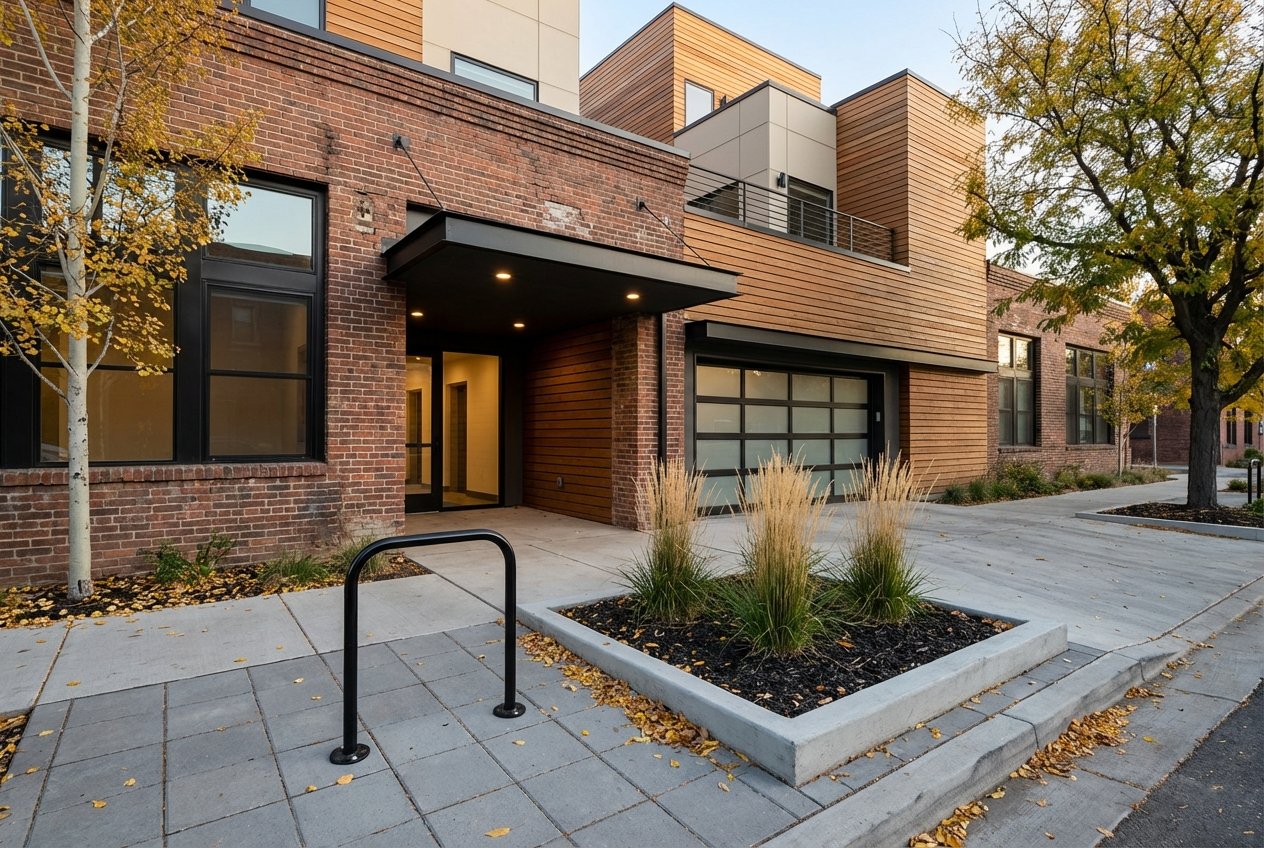
Many RiNo lofts started life as industrial buildings. Expect soaring ceilings, oversized windows, exposed brick and steel, and open plans that feel dramatic and unique. These spaces are part of RiNo’s charm and are highlighted across the RiNo Art District’s neighborhood storytelling.
Pros:
- Architectural character and volume you will not find in typical condos.
- Large industrial windows that flood spaces with natural light.
- Often located close to the most active blocks and venues.
Tradeoffs:
- Older or piecemeal mechanical systems. Some units rely on ductless mini splits rather than central HVAC.
- Potentially older plumbing or electrical and single-pane windows.
- Conversions may have complex permitting. Confirm permitted residential use and a valid certificate of occupancy.
New construction condos
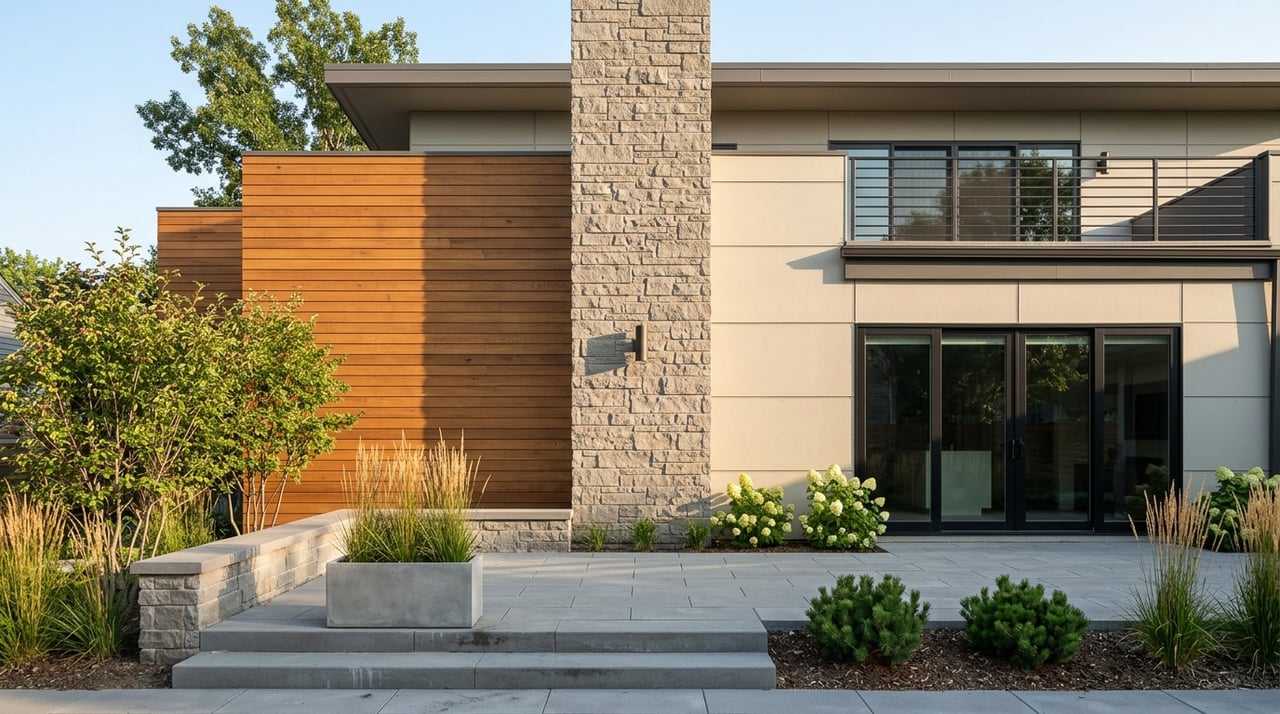
Newer condo buildings in RiNo usually deliver modern systems, elevators, sprinklers, and clear condo legal structures. Many include amenities like garage parking, bike rooms, and fitness spaces.
Pros:
- Predictable mechanical performance and warranties.
- Uniform HOA structure that lenders often prefer.
- Lower maintenance and easier resale planning for many buyers.
Tradeoffs:
- Finishes can feel standardized depending on the project.
- HOA dues can be higher if amenities are extensive.
- Less of the raw industrial look unless the developer adopted that style.
Quick decision guide
- If you prize original character and can accept some system quirks or nontraditional layouts, a converted loft may be ideal.
- If you want modern systems, accessibility, and simpler maintenance, new construction often wins.
Zoning and growth you should know
RiNo’s look and pace of development are shaped by two 2018 overlays: the River North Design Overlay (DO‑7) and the 38th & Blake Incentive Overlay (IO‑1). The DO‑7 added design standards and changed parking rules near the station area, while the IO‑1 allows extra height when projects include affordable housing or other community benefits. You can review the official legislative record on Denver’s Legistar file for the River North overlays and a plain-language legal summary on JD Supra.
What this means for you:
- Expect taller buildings and ongoing mixed-use projects near 38th•Blake.
- Parking minimums are lower in parts of the station area, which favors transit use.
- New supply can affect views, light, and resale timelines. Track what is planned around your building.
Parking, transit, and mobility
Parking varies widely. Some newer condos include deeded garage spaces, while older conversions may rely on limited stalls, surface lots, or on-street parking. Because the DO‑7 overlay adjusted parking minimums near 38th•Blake, newer buildings may provide fewer spaces by design. You should confirm if parking is deeded, assigned, rented monthly, or permit based. Also review guest parking rules and whether the HOA budgets for parking facility upkeep. Details on the policy framework appear in the Legistar file for the River North overlays.
If you prefer a lighter car footprint, RiNo’s bike and trail connections and RTD access support daily life without two cars, as highlighted by the RiNo Art District overview.
Noise, nightlife, and events
RiNo’s energy is a feature and a factor. Music venues, breweries, and monthly or annual arts events drive foot traffic and amplified sound on event nights. Before you commit, visit the building on weekend evenings to gauge noise, ask about any soundproofing upgrades, and check whether your block hosts frequent events or lines for venues. For perspective on transit-linked events and rail access, see RTD’s community news and event references.
HOA and legal basics in Colorado
Most condo communities follow the Colorado Common Interest Ownership Act. The Colorado Division of Real Estate’s HOA Information & Resource Center is the best statewide resource for owner rights, disclosures, and association registration details. Start with the HOA Center to understand what documents and governance standards to expect.
Early in your search, request these items from the seller or listing agent:
- Declaration and CC&Rs, bylaws, and rules and regulations
- Current budget, recent financials, bank balance, and latest reserve study
- Minutes from the last 12 months of board meetings and special notices
- Insurance certificate for the master policy, including coverage scope and deductible
- List of current assessments, delinquencies, and any pending or approved special assessments
- Management contract, if applicable, and any known litigation
- Rental policy and leasing restrictions, including investor caps
Red flags include thin or missing reserves, pending special assessments, insurance gaps or very high deductibles, repeated litigation, or frequent rule disputes.
Short‑term rentals in Denver
Denver restricts short‑term rental licenses to your primary residence. You must hold a city STR license and pass the primary-residence test, and your HOA may also prohibit STRs. If you plan to rent on platforms like Airbnb, confirm both city eligibility and HOA rules before you buy. The City and County of Denver outlines requirements, fees, and enforcement on its Short‑term Rentals page.
Building systems and inspections
Converted warehouses often have unique mechanical and electrical setups. Verify the age and condition of the roof, drainage, HVAC equipment, electrical capacity, and plumbing lines. Schedule a comprehensive home inspection and add roof, mechanical, and sewer evaluations when appropriate. If you plan renovations in a building with elements from before 1978, review federal guidance on lead-safe work practices through the U.S. EPA’s lead resources.
Financing, insurance, and resale
Lenders will assess building health and HOA stability. High investor ratios, unresolved litigation, or weak financials can limit loan options. Clarify what the HOA master policy covers versus what you must insure inside your unit. For resale, RiNo’s creative identity, transit access, and dining scene support long-term demand, but new project deliveries can change absorption and pricing. Monitor planned construction and review current comps with your agent as you approach an offer.
Pre‑offer due diligence checklist
Use this quick list as you evaluate a RiNo loft or condo:
- Obtain the HOA resale packet and review CC&Rs, bylaws, rules, budget, reserve study, minutes, insurance certificate, management agreement, and any special assessments.
- Verify legal residential status and certificate of occupancy for converted units. Ask for permits and inspection sign‑offs.
- Confirm parking details, including deeded stalls, guest parking policy, and any street permit requirements.
- Walk the building at night and on weekends to assess noise. Schedule a professional home inspection and targeted roof, sewer, or engineering reviews if major conversions occurred.
- Confirm short‑term rental rules. Check both city license eligibility and HOA covenants via the Denver STR program.
- Ask whether capital projects are planned in the next 1 to 5 years and how they will be funded.
Smart questions to ask your agent
Bring this list to showings and document reviews:
- Is the unit part of a recorded condo map, and can I see the full governing documents and latest resale packet?
- Is parking deeded to this unit and reflected on the plat or deed? How many assigned spaces are typical here?
- When was the last reserve study and is the budget funding reserves at recommended levels?
- Are there any pending lawsuits, insurance claims, or recent special assessments?
- Has the building had noise or nuisance issues, and have any sound mitigation upgrades been completed?
- Were conversion or renovation permits pulled and closed? Is the certificate of occupancy in the file?
- What is the HOA policy on leasing and short‑term rentals? Has any owner attempted to license an STR here?
- How old are the roof, elevators, boilers or HVAC, and plumbing stacks, and what capital projects are planned?
Work with a trusted advisor
Buying in RiNo rewards preparation. A clear-eyed review of zoning context, HOA health, system condition, and noise exposure will help you choose the right building and floor plan. If you want calm, seasoned guidance and a tailored strategy for RiNo real estate, connect with Stock Jonekos for a private consultation and next steps.
FAQs
What is the difference between a RiNo loft and a condo?
- Lofts are often warehouse conversions with industrial character and older systems, while newer condos offer modern mechanicals, elevators, and amenities with more predictable upkeep.
Are short‑term rentals allowed in RiNo condos?
- Denver limits STR licenses to your primary residence and HOAs may prohibit them, so confirm both city eligibility and building rules using the city’s Short‑term Rentals guidance.
How does the 38th•Blake station impact my choice?
- The A Line improves access to downtown and DIA, and station-area overlays allow taller, transit-oriented development, which affects parking, views, and future construction nearby.
What HOA documents should I review before making an offer?
- Request the declaration, bylaws, rules, budget, reserve study, 12 months of minutes, insurance certificate, management agreement, and any special assessment or litigation records.
How can I evaluate noise near venues and events?
- Visit the building on weekend evenings, ask about past complaints and any soundproofing, and note if the block hosts frequent events or venue lines.