Thinking about selling your Park Hill classic? Today’s Denver buyers love the tree-lined blocks, wide front porches, and brick charm, but they also expect safe systems, functional spaces, and polished presentation. If you prepare with intention, you can protect your price and shorten your time on market. In this guide, you’ll learn what to fix first, how to balance character with modern updates, and which steps deliver the best return in Park Hill. Let’s dive in.
Why Park Hill attracts buyers
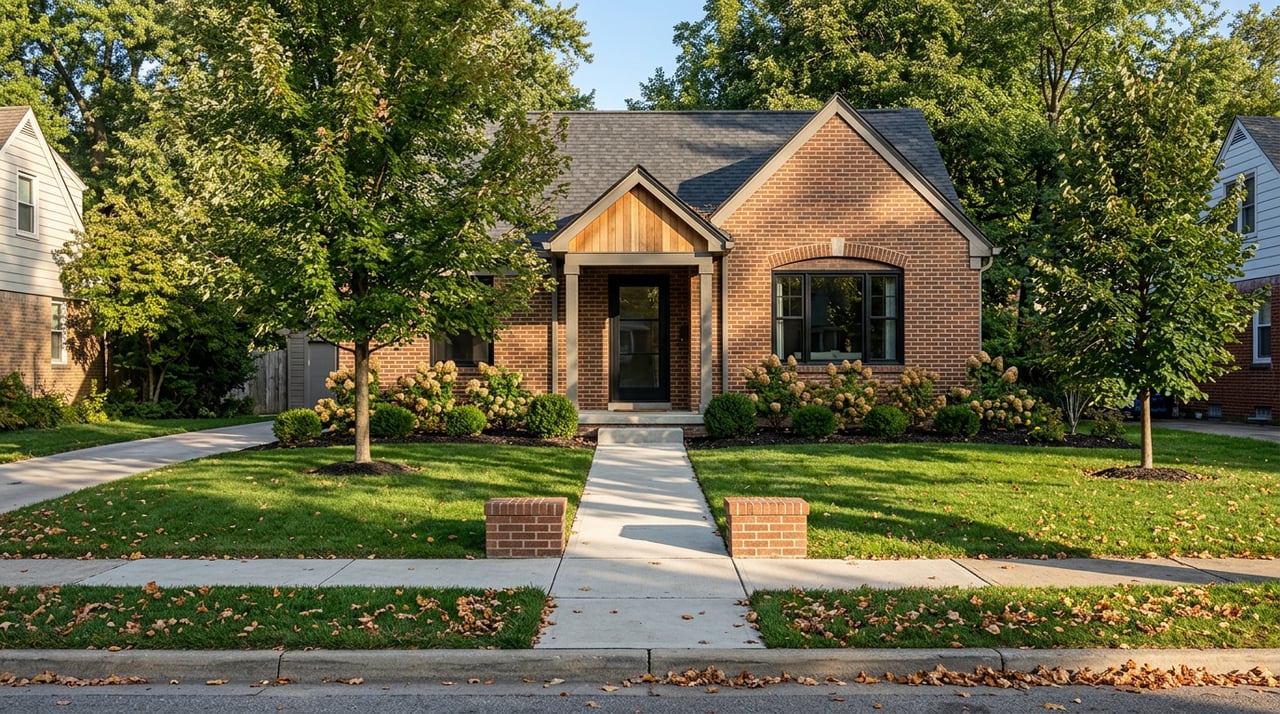
Park Hill sits about three miles east of downtown Denver and is known for mature trees, sidewalks, and early 20th-century architecture, including brick bungalows, Denver Squares, and Tudors. A neighborhood group has proposed a local historic district covering about 32 blocks with roughly 700 homes, most built between 1893 and 1941. You can explore the area’s architecture and the proposal on the neighborhood advocacy site at Historic Park Hill.
A major amenity is on the horizon. The former Park Hill Golf Course is being transformed into a large public park, which will add green space and walkability benefits for nearby homes. Follow the planning updates through the local project hub at Park Hill Park.
Know the rules before you renovate
If Park Hill’s proposed historic district advances, Denver’s Landmark Preservation rules would apply to exterior work that requires a permit. Interior updates are not reviewed by Landmark staff. Many routine exterior items are approved administratively, while larger additions and new builds move through public review. The city encourages early conversations, so it helps to connect with staff before you plan any big exterior projects. Find process guidance with Denver’s Landmark resources at the city site for Landmark Preservation.
You may qualify for preservation tax credits if your home is a contributing structure and the work follows federal rehabilitation standards. Programs and eligibility vary for owner-occupied versus income-producing properties, and credits are allocated in cycles. Review the state portal early in your planning at Colorado’s historic preservation tax credit page.
Pre-list technical checklist for Park Hill homes
Older homes show beautifully when they are safe, insurable, and functional. Start with items that can limit a buyer’s financing or shrink your buyer pool, then move to value-preserving repairs and high-impact cosmetic updates.
Safety and financing red flags to address first
- Radon testing and mitigation. About half of Colorado homes test above the EPA action level, and mitigation is common in Denver. Colorado requires licensed pros for radon measurement and mitigation. A short-term professional test now can prevent last-minute price negotiations later. Learn more from the state’s radon guidance at CDPHE.
- Electrical system risks. Knob-and-tube wiring, aluminum branch circuits, or undersized service panels can be flagged by insurers and lenders. Have a licensed electrician evaluate the system and provide a written plan and estimate if updates are needed. Insurer guidance on older wiring issues is summarized by Insure.com.
- Sewer lateral condition. Many Park Hill homes have older laterals that can be affected by root intrusion or deterioration. A sewer-scope video inspection is modest in cost and can prevent high-stress surprises during a contract. See what a scope entails via this inspector overview from HomeKey Inspections.
Major systems that protect value
- Roof, water intrusion, and HVAC. Resolve active leaks, verify roof condition, and service HVAC before you list. A general pre-list inspection can help you separate small fixes from material issues that can jeopardize a deal.
Quick wins that build buyer confidence
- First impressions matter. Clean and declutter, paint interior walls in a light neutral, refresh the front porch, tidy landscaping, and repair or replace a tired garage door. National remodeling data shows small exterior projects and minor kitchen refreshes often recoup a larger share of cost than upscale overhauls. Review the latest findings at Cost vs Value.
Balance character with modern updates
What today’s buyers expect
Buyers still love original details like wood floors, built-ins, and fireplaces. They also look for move-in-ready function: a clean, efficient kitchen and baths, a defined area for work-from-home, comfortable outdoor space, and practical energy upgrades where feasible. Stage a parlor or den as an office to show flexibility.
Preservation-first staging tips
- Keep and highlight original trim, mantels, and floors. Clean, repair, and light them well.
- Choose simple, modern fixtures and energy-efficient appliances. Avoid highly personalized finishes that compete with period details.
- If windows are drafty, explore weatherstripping or secondary glazing before full replacement, especially if you plan to pursue preservation tax credits. See the state program overview at Colorado OEDIT.
Staging and media that sell
The National Association of Realtors reports that staging helps buyers visualize a property, often cutting days on market and lifting offers. If your budget is limited, focus on the living room, primary bedroom, and kitchen first. Pair staging with professional photography and a thoughtful virtual tour to maximize online engagement. Read NAR’s summary on the impact of staging in its recent profile of home staging.
Pricing and ROI in a shifting market
Inventory across metro Denver rose in 2025 compared with the frenzy of 2021–2022, which gave buyers a bit more leverage. In a market like this, accurate pricing and standout presentation usually outperform expensive over-improvements. See the metro context in this Axios Denver market rundown.
Follow a practical order of operations:
- Pre-list inspection and radon test. Attach favorable results to your packet, or disclose issues with a written plan to address them.
- Sewer scope for homes older than 50 years or with mature trees.
- Electrical evaluation if you suspect legacy wiring or an undersized panel.
- Fix active leaks, confirm roof condition, and service HVAC.
- Curb appeal plus a minor kitchen or bath refresh if needed.
- Professional staging and photography, then list with a data-backed CMA.
Typical cost ranges and quick references
- Radon mitigation. Many standard systems run about 1,000 to 2,000 dollars, depending on foundation and access. Test first, then decide next steps. See state guidance at CDPHE.
- Sewer scope. Expect roughly 125 to 500 dollars for a camera inspection, with repairs varying widely by method and distance. Learn about the process via HomeKey Inspections.
- Minor kitchen refresh. National midrange projects tend to show stronger percent recoup than full upscale gut jobs. Review trends at Cost vs Value.
A realistic 4–8 week prep timeline
Most Park Hill sellers can complete the core checklist in four to eight weeks, depending on scope and contractor availability. Larger projects or exterior changes that require design review may take longer, so start early. If a local historic district is established, schedule a pre-application conversation with Landmark staff before planning exterior work. City process details are available through Denver Landmark Preservation.
Ready to position your Park Hill home for today’s buyers? With four decades of Denver experience and concierge marketing, we can coordinate inspections, advise on preservation-friendly updates, and deliver the polished presentation your property deserves. Start with a private consultation and a data-backed pricing strategy with Stock Jonekos.
FAQs
What are the biggest deal-killers in older Park Hill homes?
- Elevated radon, outdated or risky electrical systems, and failing sewer laterals are the most common issues that can limit financing or derail a contract.
How would a Park Hill historic district affect my sale?
- If established, Landmark review would apply to exterior work that needs a permit; interiors are not reviewed. Routine permits can be fast, while large additions take longer and may require public review.
Should I replace original windows before listing?
- Not always. Consider weatherstripping or secondary glazing first to maintain character, then evaluate replacement if performance is still lacking or if repairs are not feasible.
Is staging still worth it in Denver right now?
- Yes. NAR reports that staging helps buyers visualize the home and can reduce days on market, with many agents observing higher offers on staged listings.
How much does radon mitigation cost in Denver?
- Many standard systems cost about 1,000 to 2,000 dollars. Use a licensed professional for testing and mitigation, and keep documentation for buyers.
What is the smartest way to price a Park Hill home today?
- Use a current, local CMA and price to the market you are entering, then pair it with excellent presentation, staging, and professional media to widen your buyer pool.