If you want a Denver neighborhood with real history, mature trees, and a quieter residential feel, Montclair deserves a closer look. Tucked about five miles east of downtown, this longtime east Denver neighborhood offers a mix of landmark architecture, civic pride, and everyday convenience that can be hard to find in one place. Whether you are thinking about buying, selling, or simply learning the area, this guide will help you understand what makes Montclair distinct. Let’s dive in.
Where Montclair Sits in Denver
Montclair is located roughly five miles east of downtown Denver. According to the Denver Architecture Foundation, the neighborhood is generally bounded by Colfax Avenue, 6th Avenue, Holly Street, and Quebec Street.
That location gives you a helpful middle ground. You are close to central Denver, yet Montclair has a more established, residential character than many busier in-town areas. For buyers, that balance can be a big part of the appeal.
Montclair’s Historic Roots
Montclair began as a separate suburban community in 1885. It was platted by the Montclair Town and Improvement Company, and the neighborhood was named after Montclair, New Jersey by Matthias P. Cochrane.
A major figure in the area’s early development was Baron Ferdinand von Richthofen. Historic Montclair Community Association, Inc. notes that he owned much of the land, built Richthofen Castle and the Molkery, created a deer park, and planted hundreds of trees.
Montclair incorporated as its own town in 1888 and was annexed by Denver in 1903. After annexation, it became part of Denver’s eastward residential growth, but it still retained a distinct identity that you can feel today.
Why Montclair Feels Different
Some neighborhoods grow in a uniform way. Montclair did not. Its earliest development set a different tone from the start, with larger lots and more substantial homes than was typical in Denver at the time.
The Molkery history explains that early lots were twice the Denver standard size, and homes were expected to use brick or stone construction and rise to at least three stories. Those early standards helped shape a neighborhood that still feels layered, established, and architecturally varied rather than repetitive.
For you as a buyer or homeowner, that often translates into a stronger sense of place. Streetscapes tend to feel mature and individual, with homes from different eras sitting side by side.
Homes and Architecture in Montclair
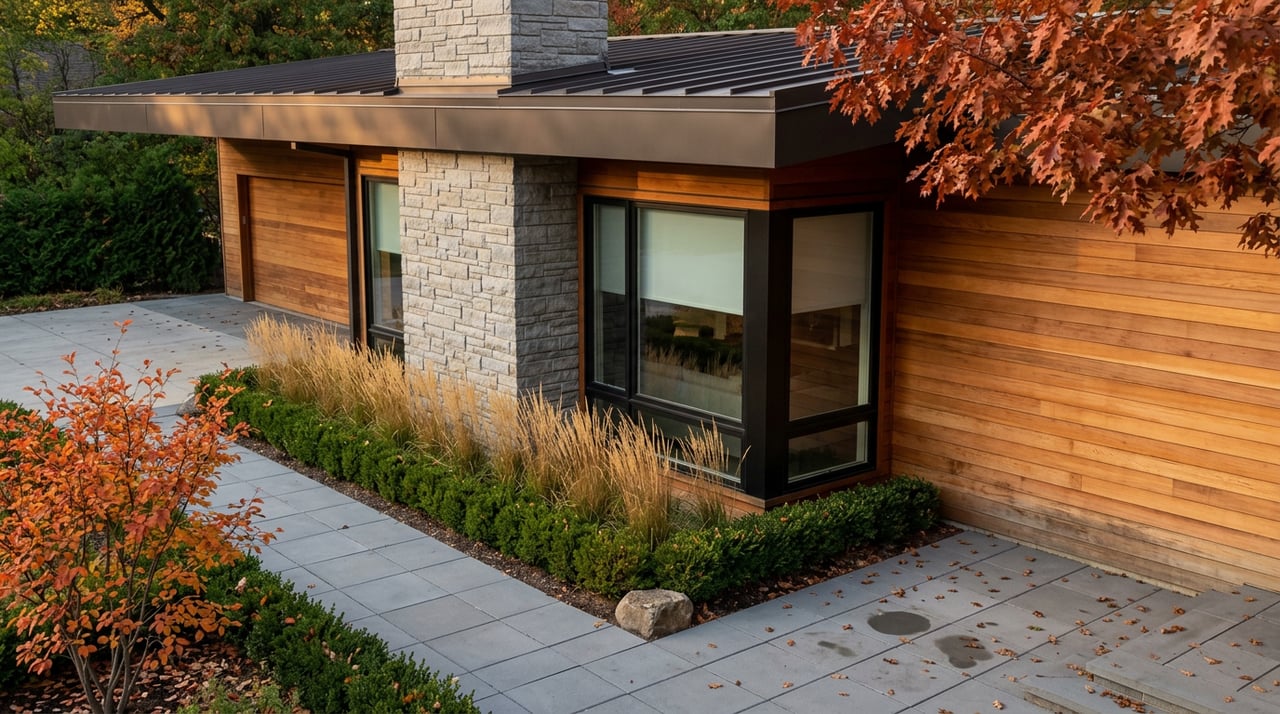
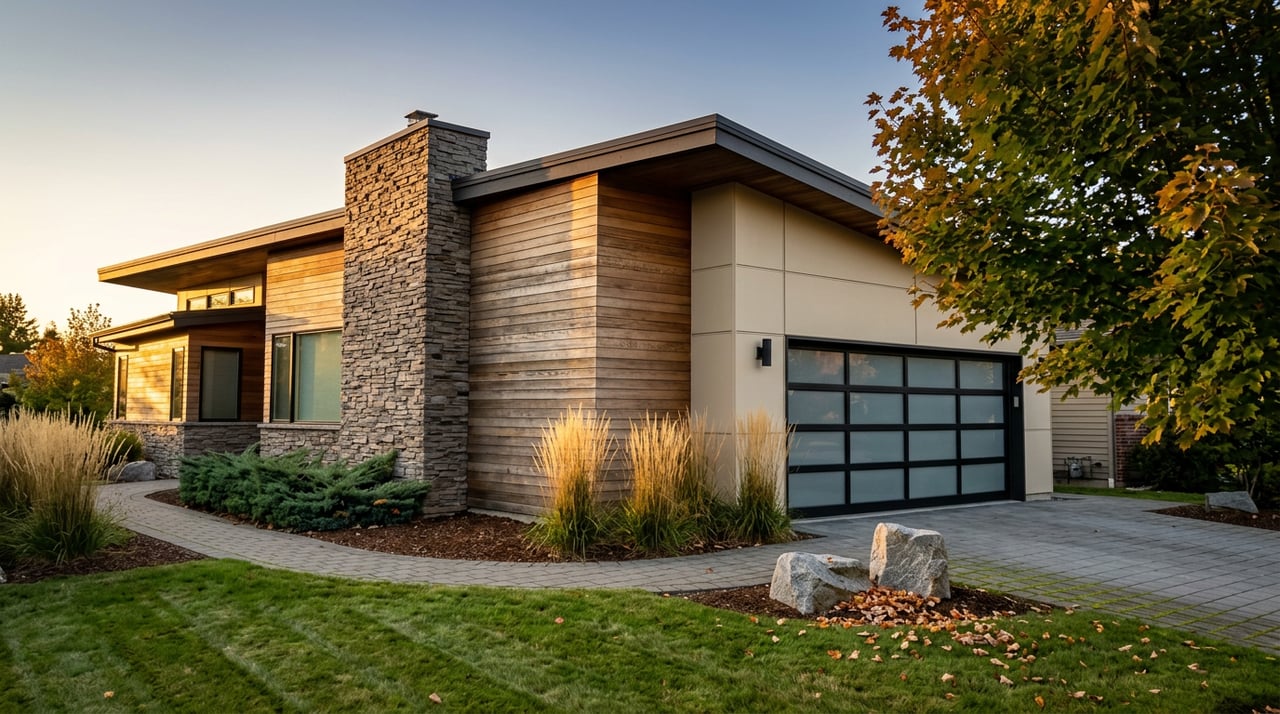
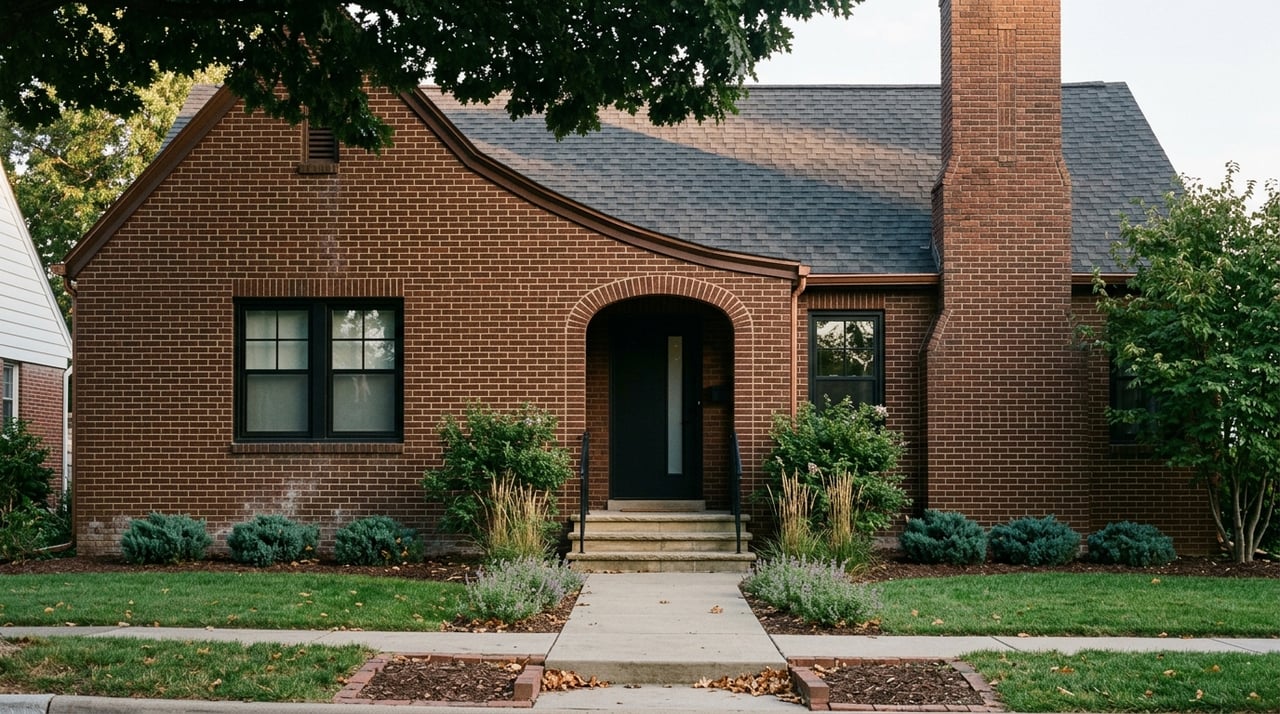
Montclair’s housing stock spans multiple architectural periods. The Denver Architecture Foundation describes a neighborhood where you can find 19th-century Victorian and Queen Anne homes alongside later bungalows, cottages, Tudor Revival houses, and modern ranch-style homes.
That range matters because it gives buyers several different paths into the neighborhood. You may be drawn to a historic home with period details, a smaller cottage, or a ranch-style property with renovation potential.
For sellers, this architectural variety also means pricing and positioning need a neighborhood-specific approach. Two homes on nearby blocks may appeal to very different buyers based on age, style, updates, lot size, and historic status.
Notable Montclair Landmarks
Several historic properties help tell Montclair’s story. Historic Montclair Community Association, Inc. points to Richthofen Castle, the Molkery, and the Thomas House as notable survivors from the neighborhood’s early years.
These landmarks do more than add visual interest. They reinforce Montclair’s identity as one of Denver’s older residential districts, with roots that still shape how the neighborhood looks and feels today.
Montclair’s Historic District Status
Montclair is not just old. It is also officially recognized for its historic significance. The City and County of Denver lists Montclair as Historic District D-5, designated in 1975, with a period of significance through 1940.
If you are considering a home within the historic district, it is important to understand what that can mean for future work. Denver Landmark Preservation states that exterior work, additions, new construction, roofs, window and door replacements, solar panels, and certain site changes on historic-district properties are subject to design review and require a Certificate of Appropriateness before permits can move forward.
That review process is not necessarily a drawback, but it is a factor to plan for. If you are buying in Montclair, you will want clarity on whether a property sits inside the district and how that may affect your renovation goals.
What Historic Review Means for Buyers
Historic designation can help preserve neighborhood character over time. It can also add another layer of decision-making if you hope to change a home’s exterior appearance.
Before you buy, it is wise to look closely at the property’s status, any prior alterations, and your plans for updates. For the right buyer, that extra diligence is well worth it because it helps protect the qualities that make Montclair special in the first place.
Parks and Civic Anchors in Montclair
Montclair offers more than attractive homes. It also has meaningful civic spaces that support everyday neighborhood life.
The best-known anchor is the Montclair Civic Building, also called the Molkery. The City and County of Denver says it began as part of Baron von Richthofen’s estate, later served as a dairy barn, restaurant, and sanatorium, and became Denver’s first community center in 1908.
The building sits within Montclair Park, which Denver notes is listed on the National Register of Historic Places. Together, the park and civic building add a strong sense of continuity and shared history to the neighborhood.
Recreation and Daily Convenience
Another major amenity is the Montclair Recreation Center near Quebec Street and 6th Avenue. Denver identifies it as a regional-level recreation center with weight and cardio equipment, a gym, a pottery studio, group fitness space, a leisure pool, a lap pool, and a pickleball court.
District 5 parks information also includes Montclair Park and Kittredge Park. For buyers, these amenities can support an active day-to-day lifestyle without leaving the neighborhood area.
Community Life in Montclair
Montclair has an unusually deep civic tradition. Historic Montclair Community Association, Inc. says it was formed in 1907 and is Denver’s oldest neighborhood association.
That long history helps explain why Montclair often feels connected and well-rooted. The association publishes the quarterly Montclarion and notes a calendar that has included house tours, neighborhood watch efforts, meet-the-candidates nights, tree plantings, picnics, Halloween parties, breakfasts with Santa, and Easter egg hunts.
For many buyers, that kind of steady community structure matters. It suggests a neighborhood where residents have invested time in local stewardship for generations.
Who Montclair May Appeal To
Montclair is likely to stand out if you want a quieter, highly residential east Denver setting. Based on its preserved historic fabric, parks, recreation assets, and long-running neighborhood organization, the neighborhood may appeal to buyers who value mature trees, older homes, and a strong civic identity.
It can also be a smart option if you want something more understated than some of Denver’s better-known eastside neighborhoods. Montclair does not rely on buzz. Its appeal is more grounded in substance, setting, and long-term character.
For sellers, that means the right marketing should speak to buyers looking for depth and distinction, not just square footage. Montclair’s value is often found in context as much as in the property itself.
What Buyers Should Watch Closely
If you are exploring homes in Montclair, pay attention to a few practical details:
- Whether the property is inside the locally designated historic district
- The home’s architectural style and era
- Prior renovations and how they fit the home’s character
- Lot size and site layout
- Access to parks, the recreation center, and major east Denver routes
These details can shape both your daily experience and your long-term plans for the property. In a neighborhood with varied housing stock, careful evaluation matters.
What Sellers Should Keep in Mind
If you own a home in Montclair, your property may benefit from a marketing approach that goes beyond standard listing language. Buyers are often responding to the neighborhood’s story, its architecture, and its sense of permanence.
That is why polished presentation and precise positioning are so important here. A thoughtful strategy can help highlight what makes your home stand out within a neighborhood known for distinctive properties and historic character.
Montclair is one of those Denver neighborhoods that rewards a closer look. If you are considering a move, planning a sale, or simply want a clearer sense of how your property fits into this historic east Denver setting, Stock Jonekos offers the calm, informed guidance that helps you move forward with confidence.
FAQs
What is Montclair known for in Denver?
- Montclair is known for its historic roots, varied architecture, mature trees, civic landmarks like the Molkery, and a quieter residential setting about five miles east of downtown Denver.
Where is the Montclair neighborhood in Denver located?
- According to the Denver Architecture Foundation, Montclair is generally bounded by Colfax Avenue, 6th Avenue, Holly Street, and Quebec Street.
What kinds of homes are in Montclair Denver?
- Montclair includes Victorian and Queen Anne homes, as well as bungalows, cottages, Tudor Revival houses, and modern ranch-style homes.
Is Montclair a historic district in Denver?
- Yes. The City and County of Denver lists Montclair as Historic District D-5, designated in 1975, with a period of significance through 1940.
What should buyers know about historic homes in Montclair?
- Buyers should know that certain exterior work on properties within the historic district may require design review and a Certificate of Appropriateness before permits can move forward.
What parks and recreation options are in Montclair Denver?
- Montclair includes Montclair Park, Kittredge Park, the Montclair Civic Building, and the Montclair Recreation Center with fitness, pool, gym, pottery, and pickleball amenities.