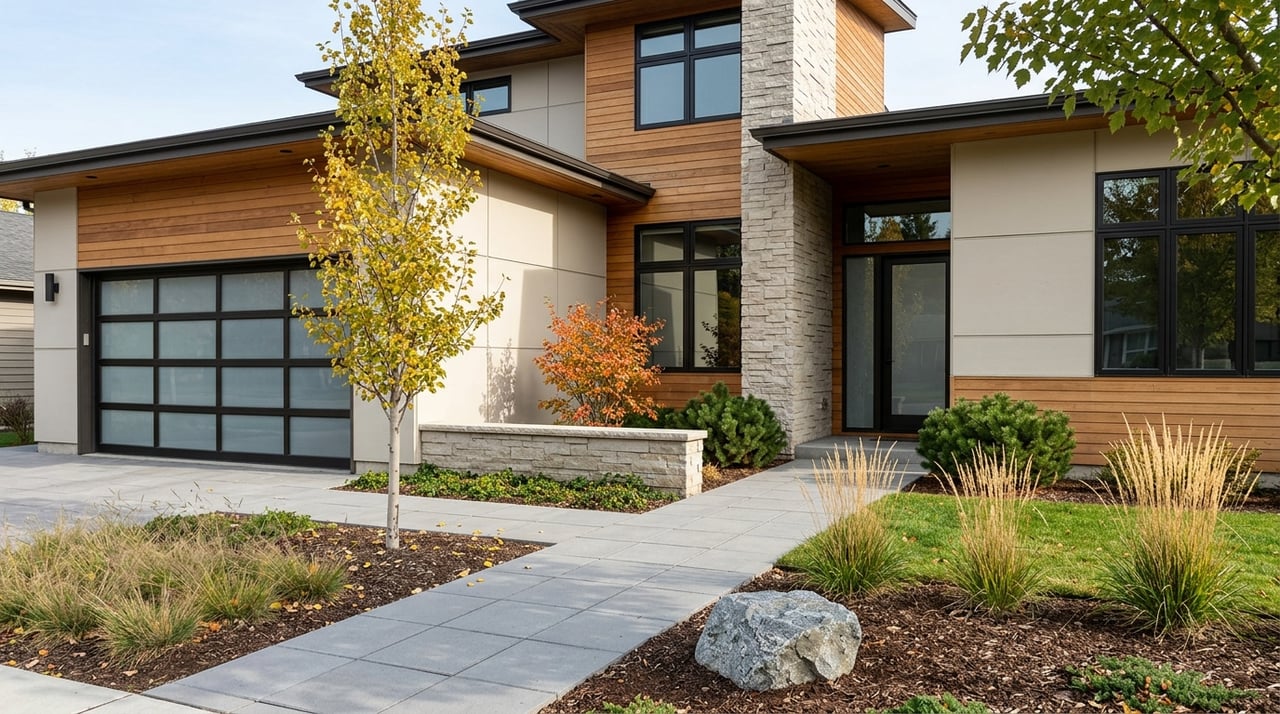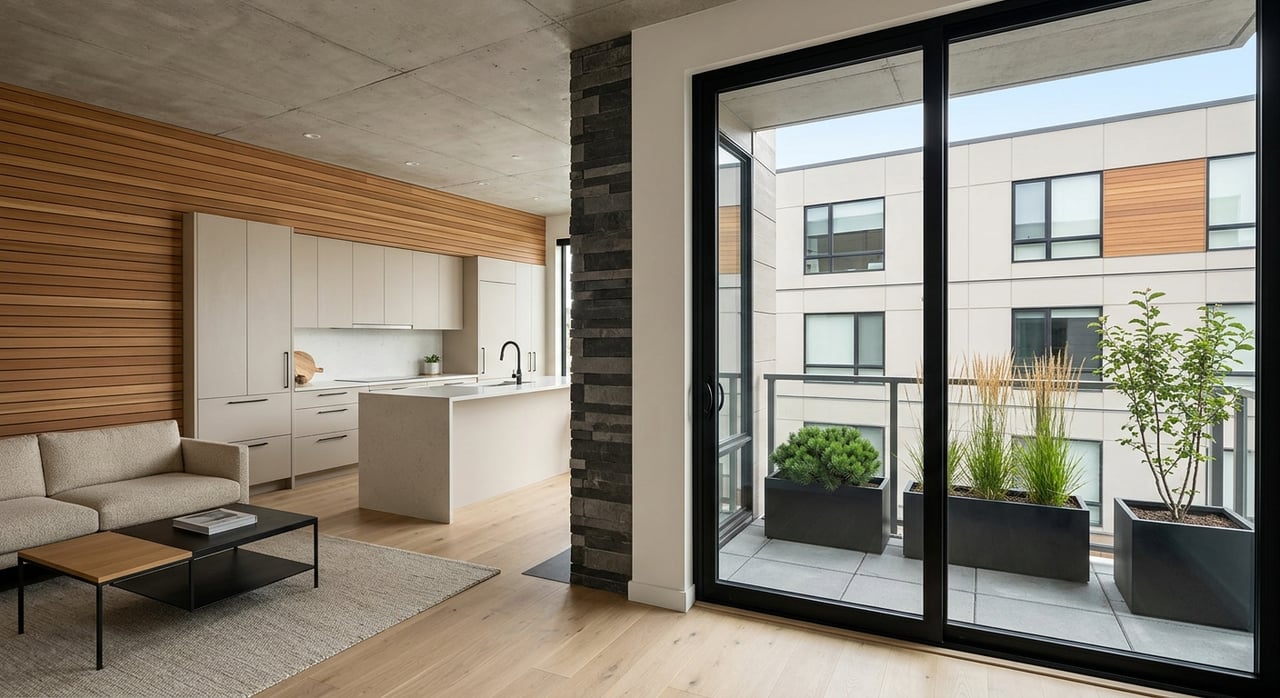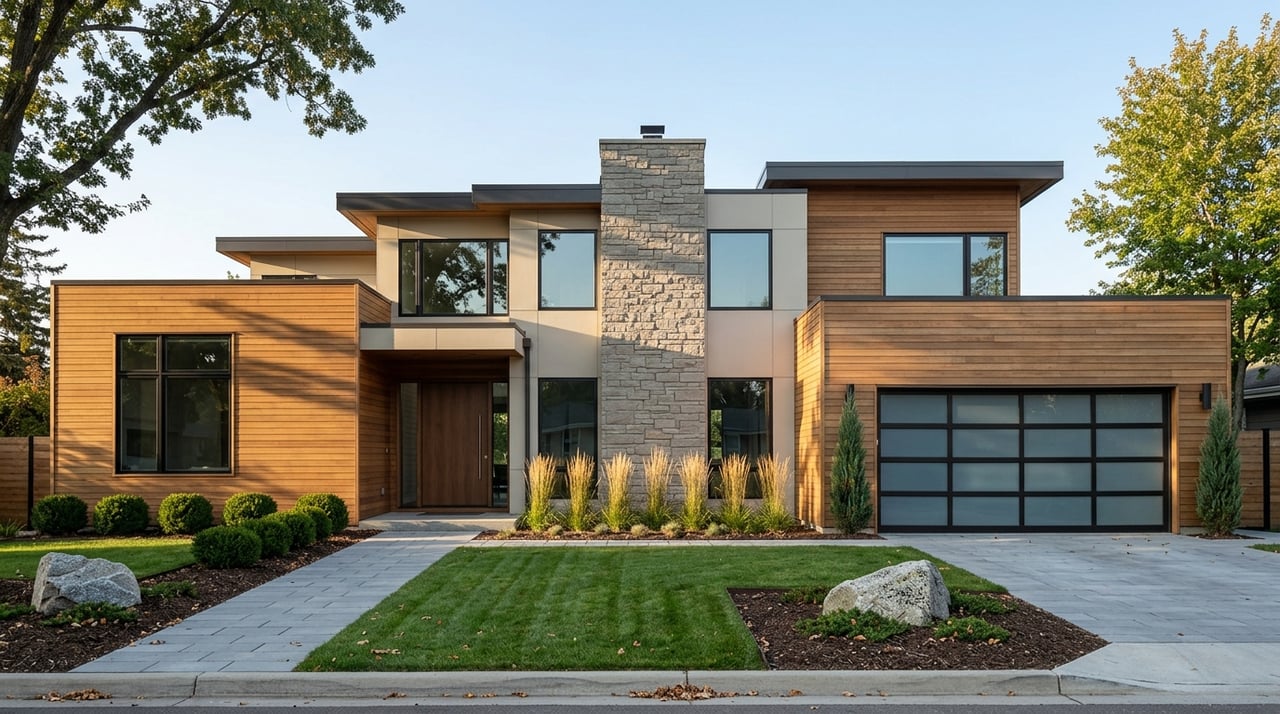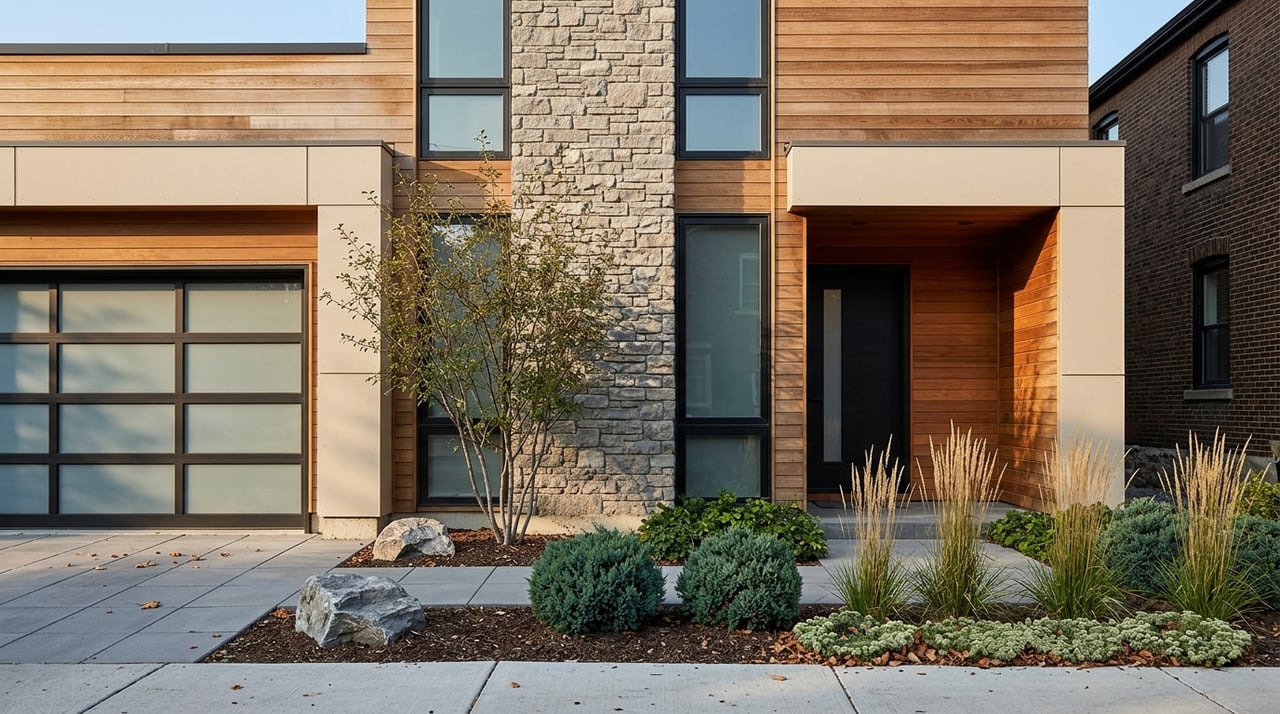
Wondering whether University Hills could be the right fit for your next move in Denver? If you want an established neighborhood with mid-century homes, larger-than-average lots, strong park access, and practical commuting options, this area deserves a closer look. The details matter here, though, because University Hills changes noticeably from one section to another. Let’s dive in.
What University Hills Feels Like
University Hills is a long-established southeast Denver neighborhood shaped by several eras of growth. Denver planning documents trace its roots from farmland in the late 1880s to post-World War II development, when many of the area’s single-story ranch homes were built.
Over time, I-25 and later RTD light rail changed how parts of the neighborhood function. Today, the area near the northern transit corridor feels more mixed and evolving, while the southern portion remains more residential in character. If you are picturing one consistent streetscape throughout, it helps to know that the experience can shift meaningfully by block.
Housing in University Hills
Ranch Homes Define Much of the Area
For many buyers, University Hills is still closely tied to classic mid-century detached homes. Denver planning materials describe modest single-family homes along the neighborhood corridors, and recent listing examples suggest many properties sit on lots in the 7,000 to 8,000 square-foot range, with some larger parcels mixed in.
That lot size is notable for central Denver buyers who want more yard space, room to garden, or a little breathing room between homes. If single-level living is high on your list, the neighborhood’s ranch-style housing stock may be especially appealing.
Transit Areas Add More Variety
University Hills is not limited to detached homes. The northern section, particularly near Yale and Colorado stations, includes a mix of attached homes and multifamily housing, with more than a thousand new and planned units concentrated in roughly fifteen blocks between Evans and Iliff.
That gives you more than one way to live in the neighborhood. Depending on where you focus, University Hills can feel like a traditional ranch-home district or a more transit-adjacent area with denser redevelopment.
Price Expectations to Keep in Mind
Recent market trackers place University Hills around the $600,000 mark. Redfin reported a May 2026 median sale price of $604,297, while Realtor.com showed a median sale price of $608,000 and a median listing price around $600,000.
Inventory and days on market varied by source and date, but the broader takeaway is clear. University Hills remains a substantial purchase, even when some homes may still need cosmetic updates or larger renovations.
Parks and Outdoor Access
One of University Hills’ biggest strengths is everyday access to green space and recreation. The neighborhood connects directly to the High Line Canal and to Mamie D. Eisenhower Park, giving you options for walking, biking, exercise, and casual time outdoors.
The High Line Canal is a 71-mile linear park with walkable, bike-friendly segments. Segment 15 begins at Eisenhower Park, runs 3.4 miles one way, and uses concrete and asphalt surfaces, which can make it convenient for regular walks, jogs, or bike rides.
Eisenhower Park adds even more practical value. According to Denver recreation materials, the park and recreation center include softball fields, soccer fields, a football field, picnic areas, a gazebo, a playground, tennis courts, an outdoor pool, an indoor pool, a gymnasium, and cardio and weight space.
If your ideal neighborhood supports both daily routines and weekend downtime, that amenity mix is a real advantage. It gives you more than just open lawn. It gives you places to move, gather, and spend time close to home.
Commuting and Daily Convenience
Transit Access Is a Major Plus
University Hills works well for buyers who want options. RTD says Yale Station near Yale and I-25 serves route 46 and the E and T rail lines, while Colorado Station near Evans and I-25 serves routes 21, 40, and 46 plus the E and T lines.
Both stations also offer parking, with 129 spaces at Yale Station and 363 at Colorado Station. In practical terms, that gives you access to park-and-ride convenience along a key rail corridor.
Road Access Comes With Tradeoffs
For drivers, the neighborhood benefits from easy access to I-25 and Colorado Boulevard. That regional connectivity can make daily travel easier, especially if your routine regularly takes you across Denver.
At the same time, strong road access can bring more traffic and noise exposure. If a quieter setting is important to you, it may be worth focusing on interior residential blocks or areas farther south rather than homes closest to major corridors.
North vs. South Matters Here
A key theme in University Hills is that location within the neighborhood matters almost as much as the neighborhood itself. Denver planning documents describe the station areas around Yale and Colorado as places that have changed substantially since light rail arrived.
That northern section is more mixed, busier, and more likely to continue evolving. South of Iliff, the planning guidance points toward preserving lower-density residential character, which often aligns better with buyers seeking a more traditional neighborhood feel.
This is one reason University Hills can appeal to different types of buyers. You may find one area that feels better suited to transit access and lower-maintenance living, and another that feels better suited to larger yards and a quieter residential rhythm.
Who University Hills May Fit Best
Move-Up Buyers Seeking Space
If you are looking for more house, more yard, and a still-practical Denver location, University Hills can make a strong case. The combination of detached homes, mature lots, and access to recreation gives you features that can be harder to find in more central parts of the city.
A ranch home on a 7,000 to 8,000 square-foot lot may offer the extra room you want without giving up city convenience. Add in the High Line Canal and Eisenhower Park, and the neighborhood can support a lifestyle that feels both active and grounded.
Downsizers Wanting Flexibility
University Hills may also work well for downsizers. Denver’s market and housing study shows that 29.5% of residents in University Hills are over age 65, compared with 11.5% citywide, and the neighborhood also has a higher share of one-person households than Denver overall.
That does not define who should live there, but it does suggest a neighborhood with existing demand for simpler living arrangements and aging in place. If you want to stay in southeast Denver but reduce maintenance, the mix of detached, attached, and multifamily options near transit may be worth a closer look.
What to Watch Before You Buy
University Hills has clear strengths, but it is not the same fit for every buyer. The biggest factors to think through are traffic exposure, ongoing redevelopment near the north end, and pricing for homes that may still need updates.
It may be a strong match if you want an established southeast Denver base with parks, transit, and a mix of housing choices. It may be less ideal if you are hoping for a uniformly quiet setting or a neighborhood made up mostly of newer construction.
The best approach is to evaluate the neighborhood in sections, not as a single broad label. In University Hills, a few blocks can change your experience in a meaningful way.
If you are weighing whether University Hills aligns with your goals, a thoughtful, block-by-block strategy can make all the difference. Stock Jonekos offers the kind of calm, local guidance that helps you compare home style, lot size, transit access, and long-term value with clarity.
FAQs
What kind of homes are common in University Hills, Denver?
- University Hills is known for mid-century detached homes, especially single-story ranch houses, with some attached and multifamily housing near transit areas.
How expensive is University Hills compared to other Denver neighborhoods?
- Recent market trackers placed University Hills near the $600,000 mark, with reported median sale prices around $604,297 to $608,000 depending on source and timing.
What parks and recreation options are in University Hills, Denver?
- The neighborhood offers access to the High Line Canal and Eisenhower Park, plus amenities such as pools, tennis courts, fields, a playground, gym space, and picnic areas.
Is University Hills a good neighborhood for commuting in Denver?
- University Hills offers access to I-25, Colorado Boulevard, Yale Station, and Colorado Station, making it practical for both drivers and transit riders.
What is the difference between north and south University Hills?
- The north side near transit is more mixed and more actively changing, while the south side tends to feel more residential and suburban in character.
Who might find University Hills a good fit in Denver?
- University Hills may appeal to buyers who want established homes, larger lots, strong park access, and commuting convenience, as well as downsizers looking for flexible housing options.